Business Card Template Mock-ups for Professional Presentation
Business card template mock-ups are essential tools for professionals and creatives who want to visualize their brand identity before final production. These mock-ups provide a realistic representation of how a business card will look in real-world settings, making them invaluable during the design and planning phases of a project. Whether you're launching a new business, rebranding, or simply updating your professional materials, using a business card template mock-up can streamline the process and ensure consistency across all marketing efforts.
Understanding Business Card Template Mock-ups
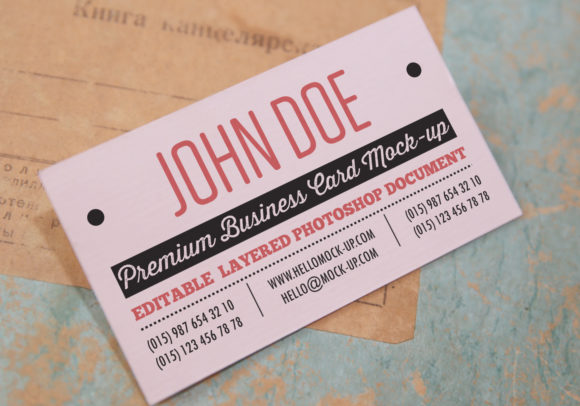
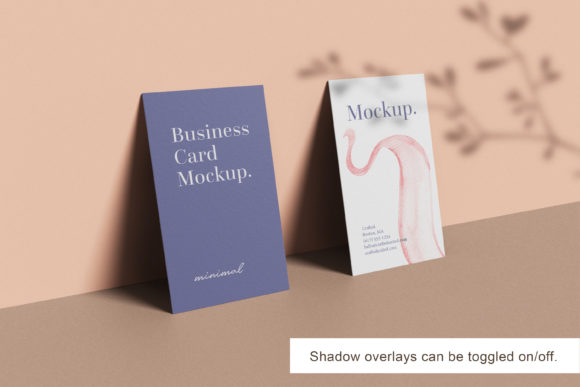
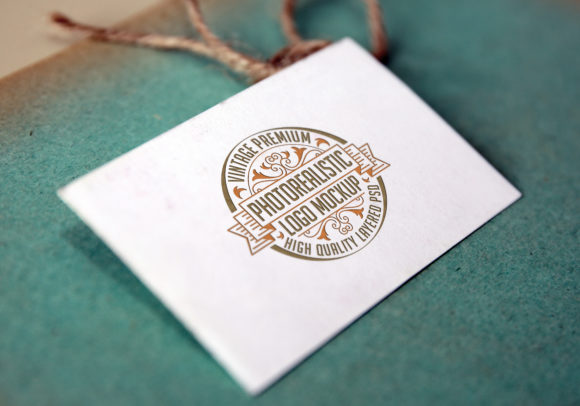
A business card template mock-up is a digital file that showcases a business card design in a photorealistic environment. It allows users to see how their logo, text, and graphics will appear when printed, giving a clear idea of the final product. These mock-ups are often created with separated layers, enabling easy customization and integration with other design elements. The use of an office background in these mock-ups adds a professional touch, making it easier to imagine the card in a corporate setting.
Business card template mock-ups are particularly useful for designers, marketers, and entrepreneurs who need to present their work to clients or stakeholders. They serve as a visual aid that helps convey the intended look and feel of the final product without the need for physical prototypes. This not only saves time but also reduces costs associated with printing multiple versions of a design.
Integration into the Design Process
Business card template mock-ups can be used at various stages of the design process, from initial concept to final approval. During the planning phase, they help in determining the layout, color scheme, and overall aesthetic of the business card. By visualizing the design in a realistic context, designers can make informed decisions about typography, spacing, and graphic elements.
During the execution phase, mock-ups allow for quick adjustments and refinements. If a client requests changes, the designer can easily modify the mock-up and present the updated version without having to print a new card. This flexibility ensures that the final product meets the client's expectations while maintaining a high level of quality.
After the design is finalized, the mock-up serves as a reference for the printing process. It ensures that the printed cards match the intended design, reducing the risk of errors and inconsistencies. This is especially important for businesses that rely on a strong brand image, as even minor deviations can impact customer perception.
Workflow Examples and Practical Use Cases
One common use case for business card template mock-ups is in the development of a brand identity package. When creating a comprehensive branding strategy, it's essential to maintain consistency across all materials, including business cards, stationery, and digital assets. A mock-up allows designers to test different variations of the business card and ensure that it aligns with the overall brand guidelines.
Another practical application is in client presentations. When pitching a design concept to a client, a business card template mock-up provides a tangible example of what the final product will look like. This helps in building trust and confidence, as clients can see the design in context rather than just on a blank canvas.
For freelancers and small business owners, mock-ups are useful in managing multiple projects simultaneously. By using a standardized template, they can quickly produce mock-ups for different clients, ensuring a cohesive approach to their work. This not only improves efficiency but also enhances the professionalism of their output.
Factors to Consider When Using Business Card Template Mock-ups
When selecting a business card template mock-up, it's important to consider factors such as compatibility, usability, and quality. The mock-up should be compatible with popular design software like Adobe Photoshop, Illustrator, or InDesign, allowing for seamless integration into existing workflows. Additionally, the file format should support high-resolution images to ensure clarity and detail in the final output.
Usability is another key factor. A well-organized mock-up with clearly labeled layers makes it easier to customize and adjust the design. This is especially important for users who may not have extensive design experience, as it reduces the learning curve and allows for quicker modifications.
Quality control is also crucial. A photorealistic mock-up should accurately represent the final product, including texture, lighting, and perspective. This ensures that any adjustments made during the design process are reflected in the final output, minimizing the risk of discrepancies.
Enhancing Creativity and Consistency
Business card template mock-ups encourage creativity by providing a platform for experimentation. Designers can try out different layouts, fonts, and color combinations without the need for physical prototypes. This freedom allows for more innovative and visually appealing designs that stand out in a competitive market.
Consistency is another benefit of using mock-ups. By maintaining a standard template across all business cards, companies can reinforce their brand identity and create a unified look across all communication channels. This is particularly important for businesses that operate in multiple markets or have a diverse range of products and services.
Long-Term Benefits and Future Use
Investing in high-quality business card template mock-ups can yield long-term benefits. As a business grows and evolves, the mock-up can be reused and adapted to reflect new branding elements. This ensures that the business card remains relevant and effective over time, reducing the need for frequent redesigns.
In addition, mock-ups can be used for educational purposes. Design students and aspiring professionals can study and analyze different mock-up styles to improve their skills and understanding of visual design principles. This hands-on approach to learning can be more engaging and effective than theoretical instruction alone.