Once Upon a Dream Papers 1: A Creative Resource for Digital and Physical Projects
In today’s fast-paced digital world, high-quality design resources are essential for both personal and professional use. One such resource that stands out is Once Upon a Dream Papers 1, a set of 9 seamless digital papers ideal for a wide range of creative applications. Whether you're a designer, a small business owner, or a hobbyist, these papers offer a versatile foundation for your projects. With their high-resolution format and elegant aesthetic, they cater to modern design needs while maintaining a timeless appeal.
Understanding Once Upon a Dream Papers 1
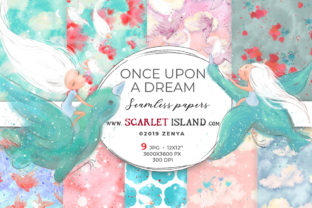
Once Upon a Dream Papers 1 is part of a matching set that includes 9 seamless digital papers, each designed to blend seamlessly with the others. These files come in a high-resolution format—3600x3600 pixels at 300 dpi—ensuring clarity and detail when used in various media. The set is perfect for web design, shop banners, scrapbooking, decoupage, logos, stationery, invitations, cards, fabric, paper, planners, and more. Its versatility makes it a valuable addition to any creative toolkit.
The design style of Once Upon a Dream Papers 1 reflects current trends in minimalist and nature-inspired aesthetics. Subtle textures, soft gradients, and delicate patterns create a sense of warmth and elegance. These elements align with the growing preference for clean, functional design that still feels personal and artistic. As more individuals and businesses seek to express their brand identity through visual content, the demand for such high-quality, customizable resources continues to rise.
Why It Matters in Modern Design
Design trends have evolved significantly over the past few years, shifting toward more personalized and adaptable solutions. With the rise of remote work, digital marketing, and e-commerce, the need for visually appealing and flexible design assets has never been greater. Once Upon a Dream Papers 1 meets this demand by offering a set of papers that can be easily integrated into various projects without compromising quality or consistency.
For example, a small business owner creating an online store might use these papers as background elements for product pages or social media posts. A graphic designer could incorporate them into branding materials, ensuring a cohesive look across different platforms. Similarly, a DIY enthusiast working on a scrapbook or planner might find the papers useful for adding texture and depth to their creations.
Moreover, the trend toward sustainability and eco-conscious practices has influenced design choices. Many creators now prefer digital resources that reduce the need for physical materials. Once Upon a Dream Papers 1 supports this shift by providing a reusable, digital alternative that minimizes waste while maintaining creative flexibility.
Practical Applications and User Experience
One of the key strengths of Once Upon a Dream Papers 1 is its ease of use. The set comes in a ZIP file containing 9 JPG images, which can be extracted and used on a computer or laptop. For users who prefer free software, tools like GIMP provide a reliable way to edit and apply the papers in various design projects. This accessibility ensures that even those with limited design experience can take advantage of the set’s features.
However, it’s important to note that some devices may present challenges. While smartphones are not ideal for downloading and managing large files, computers and tablets with appropriate software can handle the files effectively. This consideration highlights the importance of understanding device capabilities when planning a project.
For those new to digital design, the process of unzipping and using the files may seem daunting at first. But with a bit of guidance, it becomes a straightforward task. Online tutorials and user forums often provide helpful tips for managing digital assets, making the learning curve less steep for beginners.
Connecting with Current Creative Trends
The popularity of Once Upon a Dream Papers 1 reflects broader shifts in how people approach creativity. In recent years, there has been a growing emphasis on personal expression and customization. Whether through handmade crafts, digital art, or branded content, individuals are seeking ways to make their work stand out. High-quality design resources like these papers enable creators to achieve that goal without requiring advanced technical skills.
Additionally, the rise of remote collaboration and digital communication has increased the need for consistent visual elements. Teams working on projects from different locations often rely on shared design assets to maintain a unified look. Once Upon a Dream Papers 1 provides a reliable base for such efforts, ensuring that all team members can access and use the same materials consistently.
Another factor contributing to the relevance of these papers is the increasing interest in hybrid creative practices. Many artists and designers now combine traditional and digital methods, using physical materials alongside digital tools. The seamless nature of Once Upon a Dream Papers 1 allows for easy integration into both realms, making it a valuable asset for mixed-media projects.
Recommendations for Users
For those considering Once Upon a Dream Papers 1, it’s worth exploring how the set can enhance specific projects. Whether you’re designing a website, creating marketing materials, or working on a personal craft, the papers offer a flexible and stylish solution. Experimenting with different applications can help uncover new ways to use the set effectively.
It’s also beneficial to keep an eye on related products, such as matching clipart or additional paper sets. These complementary resources can expand the creative possibilities and allow for more detailed and cohesive designs. By building a collection of similar assets, users can develop a unique visual language that reflects their personal or brand identity.
Finally, staying informed about digital design trends can help users make the most of their resources. Following industry blogs, attending webinars, or joining online communities can provide insights into how others are using similar materials. This knowledge can inspire new ideas and improve overall design outcomes.
Conclusion
Once Upon a Dream Papers 1 represents a thoughtful and practical solution for modern creatives. Its high-quality design, versatility, and ease of use make it a valuable addition to any digital or physical project. As design trends continue to evolve, the demand for adaptable and aesthetically pleasing resources will only grow. By incorporating these papers into their workflow, users can enhance their creative output while keeping up with current design standards.