Realistic Mock-ups on Vintage Background: A Unique Blend of Old and New
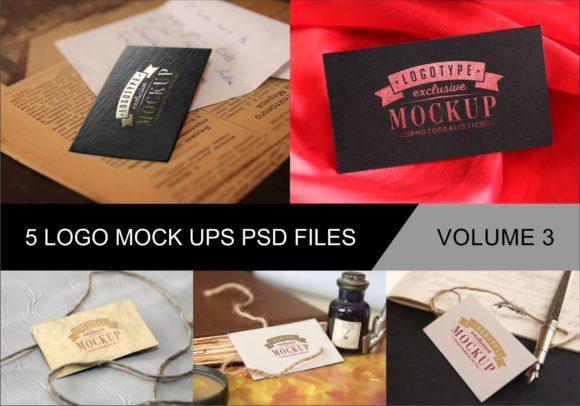
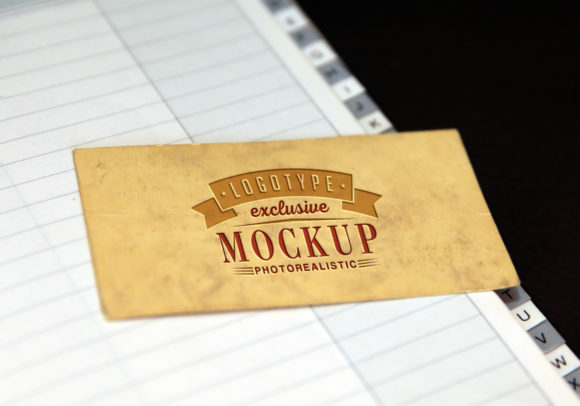
Realistic mock-ups on vintage background offer a distinctive approach to design that combines the charm of retro aesthetics with the precision of modern digital tools. These mock-ups feature photorealistic representations of objects set against aged, textured backdrops, creating a visual contrast that highlights both the subject and the background. This style is particularly appealing for designers, marketers, and creatives looking to evoke nostalgia while maintaining a contemporary edge.
What Makes Realistic Mock-ups on Vintage Background Distinct?
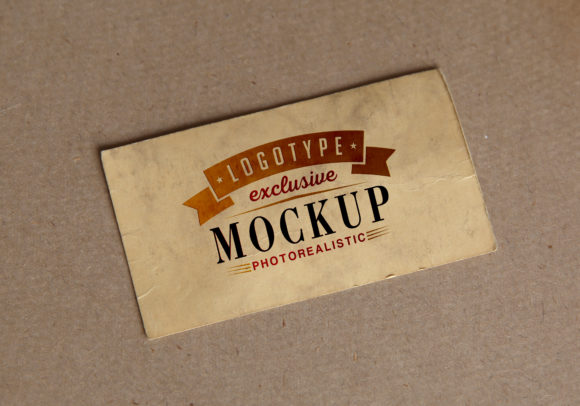
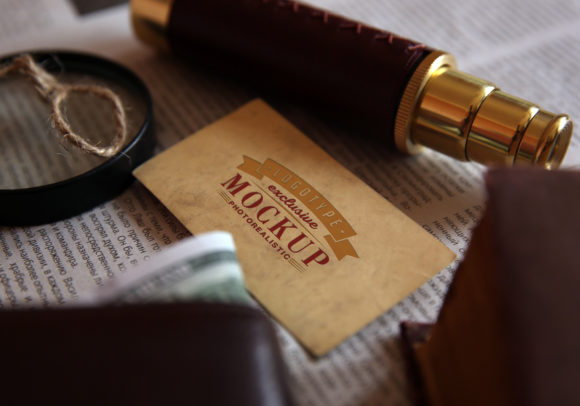
Unlike standard mock-ups that often use clean or neutral backgrounds, realistic mock-ups on vintage background incorporate elements such as faded paper, weathered wood, or cracked leather to create a sense of history. These backgrounds are not just decorative; they add depth and context to the objects being showcased. For example, a smartphone placed on a worn-out desk might suggest a more personal, intimate setting compared to a sleek, modern table.
The realism in these mock-ups comes from high-quality textures and lighting effects that mimic real-world conditions. This level of detail allows designers to present their work in a way that feels authentic and engaging. Whether it's a product shot, a logo placement, or a graphic element, the vintage backdrop enhances the overall visual storytelling.
Comparing Realistic Mock-ups on Vintage Background with Other Options
When considering design options, realistic mock-ups on vintage background stand out from other styles such as minimalist, abstract, or digital-only approaches. While minimalist designs focus on simplicity and clarity, vintage-style mock-ups prioritize atmosphere and emotional resonance. This makes them ideal for projects that aim to convey a specific mood or era.
Compared to abstract or surreal mock-ups, which often rely on imagination and symbolism, vintage-style mock-ups maintain a grounded, relatable quality. They provide a bridge between the past and present, making them versatile for various applications. For instance, a marketing campaign targeting a nostalgic audience might benefit more from a vintage backdrop than a futuristic one.
Another alternative is the use of stock photography or real-life images. While these can be effective, they may lack the flexibility and customization offered by mock-ups. Realistic mock-ups on vintage background allow for greater control over composition, color, and layout, enabling designers to experiment without the constraints of real-world limitations.
Strengths and Tradeoffs of Using Realistic Mock-ups on Vintage Background
One of the key strengths of realistic mock-ups on vintage background is their ability to enhance visual storytelling. By incorporating period-specific details, these mock-ups can help communicate a brand’s identity or a project’s theme more effectively. They also offer a cost-effective solution for creating professional-looking visuals without the need for extensive photography or set design.
However, there are tradeoffs to consider. The vintage aesthetic may not suit all projects. For example, a tech startup aiming for a cutting-edge image might find the retro style inappropriate. Additionally, the complexity of these mock-ups can sometimes make them harder to customize or adapt to different platforms.
Designers should also be mindful of the balance between the background and the object being displayed. If the vintage elements are too dominant, they can overshadow the main subject. Careful attention to detail and layering is essential to ensure that the final result is cohesive and visually appealing.
Best Fit Situations for Realistic Mock-ups on Vintage Background
Realistic mock-ups on vintage background are best suited for projects that aim to evoke a specific time period or cultural reference. This includes branding for artisanal products, promotional materials for retro-themed events, or creative portfolios that highlight a designer’s versatility. They are also useful for e-commerce, where the goal is to create an immersive shopping experience that feels authentic and trustworthy.
For example, a clothing brand selling vintage-inspired apparel could use these mock-ups to showcase their products in a way that aligns with their brand story. Similarly, a design agency working on a historical documentary might use vintage-style mock-ups to illustrate how certain elements would have looked in the past.
These mock-ups are also beneficial for educational or editorial content, where the goal is to present information in a visually engaging manner. By using a vintage backdrop, the content can feel more immersive and historically accurate, enhancing the reader’s understanding and engagement.
Limitations and Decision Factors
Despite their advantages, realistic mock-ups on vintage background are not a one-size-fits-all solution. Designers must evaluate whether the vintage aesthetic aligns with the project’s goals and target audience. If the intended message is modern, innovative, or highly technical, a vintage backdrop may not be the best choice.
Another factor to consider is the availability and quality of the mock-ups. Not all sources provide high-resolution, customizable files, which can limit the effectiveness of the final design. It’s important to choose reliable resources that offer clear documentation and support for users.
Additionally, the time required to integrate these mock-ups into a project should not be overlooked. While they can save time in some aspects, they may require additional effort to adjust and fine-tune for optimal results. Designers should plan accordingly and allocate sufficient time for this process.
When to Choose Realistic Mock-ups on Vintage Background
Realistic mock-ups on vintage background are a good choice when the goal is to create a sense of authenticity, nostalgia, or historical context. They are particularly effective for projects that seek to differentiate themselves through unique visual storytelling. For instance, a book cover design that aims to reflect the era of the story could benefit from this style.
They are also suitable for designers who want to experiment with different aesthetics and expand their creative toolkit. By incorporating vintage elements, they can add depth and variety to their portfolio, demonstrating their ability to adapt to diverse client needs.
Ultimately, the decision to use realistic mock-ups on vintage background depends on the specific requirements of the project and the desired outcome. When used appropriately, they can enhance the visual appeal and narrative of a design, making them a valuable resource for creative professionals.