Business Card Information Vector: A Creative Tool for Every Need
Business Card Information Vector is more than just a design element—it's a versatile resource that can be used in a variety of creative and practical scenarios. Whether you're a designer, a small business owner, or someone looking to make a lasting impression, this vector offers a flexible solution that adapts to different needs and industries.
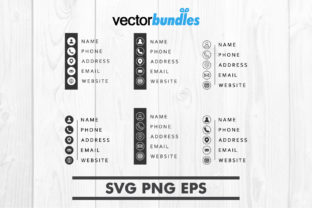
At its core, a Business Card Information Vector is a digital illustration that contains all the necessary details typically found on a business card. This includes text elements like names, titles, contact information, and logos, formatted in a scalable and editable way. The vector format ensures that these elements remain sharp and clear no matter the size or medium they're used on.
Real-World Applications of Business Card Information Vector
One of the most common uses for a Business Card Information Vector is in graphic design projects. Designers often use these vectors as templates when creating custom business cards for clients. By having a pre-designed layout, they can focus on personalizing the content without starting from scratch each time.
For entrepreneurs and small business owners, a Business Card Information Vector can streamline the process of creating professional-looking cards. Instead of spending hours designing from scratch, they can choose a vector that fits their brand and simply input their details. This saves time and ensures consistency across all printed materials.
In the world of scrapbooking and handmade crafts, Business Card Information Vectors are also valuable. They can be used as part of a collage, a page layout, or even as a decorative element. Their clean lines and scalable nature make them easy to integrate into a variety of creative projects.
How Different Users Benefit From It
Freelancers and consultants often rely on business cards to make a strong first impression. With a Business Card Information Vector, they can quickly update their cards with new contact details, website links, or social media profiles. This flexibility is especially useful for those who frequently change their services or locations.
Event planners and marketing professionals also find value in these vectors. They can use them as part of promotional materials, such as flyers, brochures, or digital ads. The vector's adaptability allows it to fit seamlessly into different design contexts while maintaining a professional look.
Teachers and educators may use Business Card Information Vectors to create personalized classroom materials or student ID cards. The ability to customize text and layout makes it an efficient tool for organizing information in a visually appealing way.
Practical Examples and Observations
Consider a local bakery that wants to create a series of seasonal business cards. Using a Business Card Information Vector, the owner can easily swap out the logo, name, and contact information for each season. This not only keeps the design fresh but also ensures that the cards remain relevant and functional.
Another example is a graphic design studio that works with multiple clients. By using a standardized Business Card Information Vector, the team can maintain a cohesive brand identity across all client materials. This consistency helps build trust and recognition among customers.
For artists and creators, a Business Card Information Vector can serve as a foundation for custom merchandise. Whether it's a T-shirt, a mug, or a sticker, the vector can be scaled and adapted to fit different products. This makes it a cost-effective and efficient choice for producing branded items.
Key Considerations Before Using a Business Card Information Vector
Before diving into a project, it's important to consider the specific requirements of the task at hand. For instance, if the vector will be used for printing, ensuring that the file format is compatible with the printer's software is crucial. Common formats include SVG, PNG, and EPS, which are widely supported by various design and cutting tools.
Another consideration is the level of customization needed. Some Business Card Information Vectors come with fully editable layers, allowing users to adjust text, colors, and layout elements. Others may have more limited options, so it's wise to review the file details before making a purchase or download.
Users should also think about the intended audience. A business card designed for a corporate setting may require a more formal look, while one for a creative industry might benefit from a bolder, more artistic style. Choosing a vector that aligns with the target audience's expectations can make a significant difference in how the card is received.
Strengths and Limitations of Business Card Information Vector
One of the main strengths of a Business Card Information Vector is its scalability. Unlike raster images, which can become pixelated when resized, vectors maintain their quality at any size. This makes them ideal for both small and large print jobs, as well as digital applications.
Another advantage is the ease of editing. With the right software, users can modify text, colors, and layout elements without affecting the overall design. This flexibility is particularly beneficial for businesses that need to update their information frequently.
However, there are some limitations to keep in mind. Not all users may be familiar with vector editing software, which can pose a learning curve for those who are new to the process. Additionally, while vectors offer a high degree of customization, they may not always provide the same level of detail as a fully designed artwork.
Despite these considerations, the benefits of a Business Card Information Vector make it a valuable tool for a wide range of users. Its adaptability, scalability, and ease of use ensure that it remains a popular choice for anyone looking to create professional and effective business cards. Whether you're a seasoned designer or a small business owner, this vector can help you achieve your goals with efficiency and style.