Suitcase Clip Art: A Versatile Tool for Creative Projects
In today’s digital age, visual elements play a crucial role in communication, design, and creativity. Whether you're working on a personal project, a business presentation, or a marketing campaign, having access to high-quality clip art can make all the difference. One such valuable resource is suitcase clip art, which offers a wide range of applications across various industries and creative fields. This article explores what suitcase clip art is, its significance, and how it can be used effectively in different contexts.
What Is Suitcase Clip Art?
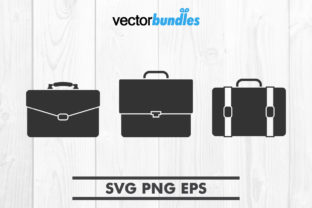
Suitcase clip art refers to digital images or graphics that depict suitcases, briefcases, and related items. These images are often designed in formats such as SVG (Scalable Vector Graphics), PNG (Portable Network Graphics), and EPS (Encapsulated PostScript). They are commonly used in graphic design, crafting, and digital art projects. The versatility of these files allows them to be adapted for use in a variety of software programs, including Cricut Design Space, Silhouette Designer Edition, Adobe Illustrator, and more.
The files typically come in a zip folder containing multiple file types. For example, you might receive an SVG file for vector-based editing, a PNG file with a transparent background for easy integration into designs, and an EPS file for compatibility with professional design software like Adobe Illustrator or CorelDraw.
Why Suitcase Clip Art Matters
Suitcase clip art is more than just a simple image—it's a powerful tool that enhances visual storytelling and design. In both personal and professional settings, the imagery of a suitcase or briefcase can symbolize travel, business, organization, and even adventure. This makes it particularly useful in areas such as:
- Business and branding: Companies often use suitcase imagery in logos, marketing materials, and promotional content to convey professionalism and mobility.
- Travel and tourism: Travel-related businesses may incorporate suitcase clip art into brochures, websites, and social media posts to attract customers.
- Crafting and DIY projects: Artists and crafters use these files to create personalized items such as t-shirts, mugs, and signs.
- Education and presentations: Teachers and students can use suitcase clip art to illustrate lessons about travel, geography, or business concepts.
How to Use Suitcase Clip Art
The practical applications of suitcase clip art are vast, and understanding how to use these files effectively can unlock new creative possibilities. Here are some common ways to utilize suitcase clip art:
1. Cutting Machines
If you own a cutting machine like a Cricut or Silhouette, you can import SVG or EPS files directly into the software. These files allow you to cut out precise shapes from materials such as vinyl, paper, or fabric. For example, you could create custom luggage tags, personalized travel accessories, or even decorative wall art featuring suitcase designs.
2. Scrapbooking and Paper Crafts
Suitcase clip art is ideal for scrapbooking, where it can serve as a visual representation of a journey, a memory, or a special event. You can print the PNG files and use them as embellishments, or combine them with other elements to create unique layouts. The transparent background of PNG files ensures seamless integration with your existing designs.
3. Printable Decorations and Invitations
Whether you're planning a wedding, a birthday party, or a corporate event, suitcase clip art can add a stylish touch to your invitations, banners, and decorations. By using SVG or PNG files, you can easily customize the size, color, and style to match your theme.
4. Clothing and Merchandise Printing
With the rise of custom apparel and merchandise, suitcase clip art has become a popular choice for t-shirt printing, mug designs, and other products. By using SVG files, you can ensure that the design remains sharp and clear, even when scaled to different sizes.
5. Digital Art and Graphic Design
Graphic designers and digital artists often use suitcase clip art as part of their work. Whether it's for a website banner, a social media post, or a poster, these images provide a professional and polished look. The availability of EPS files also makes them suitable for more advanced design projects that require vector precision.
Understanding the File Formats
To make the most of suitcase clip art, it's important to understand the different file formats and their uses:
- SVG (Scalable Vector Graphics): These files are ideal for digital design because they maintain quality at any size. They are compatible with most modern design software and are perfect for creating scalable graphics.
- PNG (Portable Network Graphics): PNG files offer transparency, making them excellent for backgrounds and overlays. They are widely supported by most design tools and are easy to use in both digital and print projects.
- EPS (Encapsulated PostScript): EPS files are commonly used in professional design environments. They are compatible with Adobe Illustrator, CorelDraw, and other vector-based software, making them a go-to choice for high-quality print work.
Choosing the Right Software
The effectiveness of suitcase clip art depends largely on the software you use. Here are some popular programs and how they can be used with these files:
- Cricut Design Space: This platform is great for users who want to create custom designs for cutting machines. It supports SVG files and allows for easy customization and editing.
- Silhouette Designer Edition: Similar to Cricut, this software is ideal for those who use Silhouette machines. It supports both SVG and EPS files, offering flexibility in design.
- Adobe Illustrator: A powerful tool for professional designers, Adobe Illustrator works seamlessly with EPS and SVG files. It allows for detailed editing and is perfect for complex design projects.
- CorelDraw: Another industry-standard program, CorelDraw is well-suited for handling EPS files and is commonly used in commercial design and illustration.
Common Misconceptions About Clip Art
Despite its usefulness, there are several misconceptions about clip art that may prevent people from using it effectively:
Misconception 1: Clip art is outdated or low quality. In reality, modern clip art—especially in SVG and EPS formats—is highly detailed and versatile. With the right tools, it can rival professionally created graphics.
Misconception 2: Clip art is only for beginners. While it can be a helpful resource for novices, experienced designers also use clip art to save time and maintain consistency in their work.
Misconception 3: Clip art lacks originality. However, with proper customization and integration, clip art can be transformed into unique and personalized designs that reflect individual style and creativity.
Conclusion
Suitcase clip art is a valuable asset for anyone involved in design, crafting, or digital creation. Its versatility, ease of use, and compatibility with various software make it a must-have for both beginners and professionals. Whether you're creating personalized merchandise, designing for a business, or simply exploring your creative side, suitcase clip art offers endless possibilities. By understanding the different file formats, software options, and practical applications, you can harness the full potential of this powerful tool in your projects.